ARTICLE
Hue Shall Not Pass
Mark Thurman
Last updated:
July 16, 2026

ARTICLE
Hue Shall Not Pass
Mark Thurman
Last updated:
July 16, 2026
Why We Built a Colour Contrast Checker (And Why Your Business Should Build Its Own Tools)
If you have spent any time in the web design or development space, you have likely run into the shadowy, whipping demon of the digital world: poor color contrast. Even as a website visitor, text that is hard to read is an often subtle and sometimes just bloody obvious barrier to understanding.
When you find light grey text on a white background. You squint. You shuffle closer.. You give up and leave.
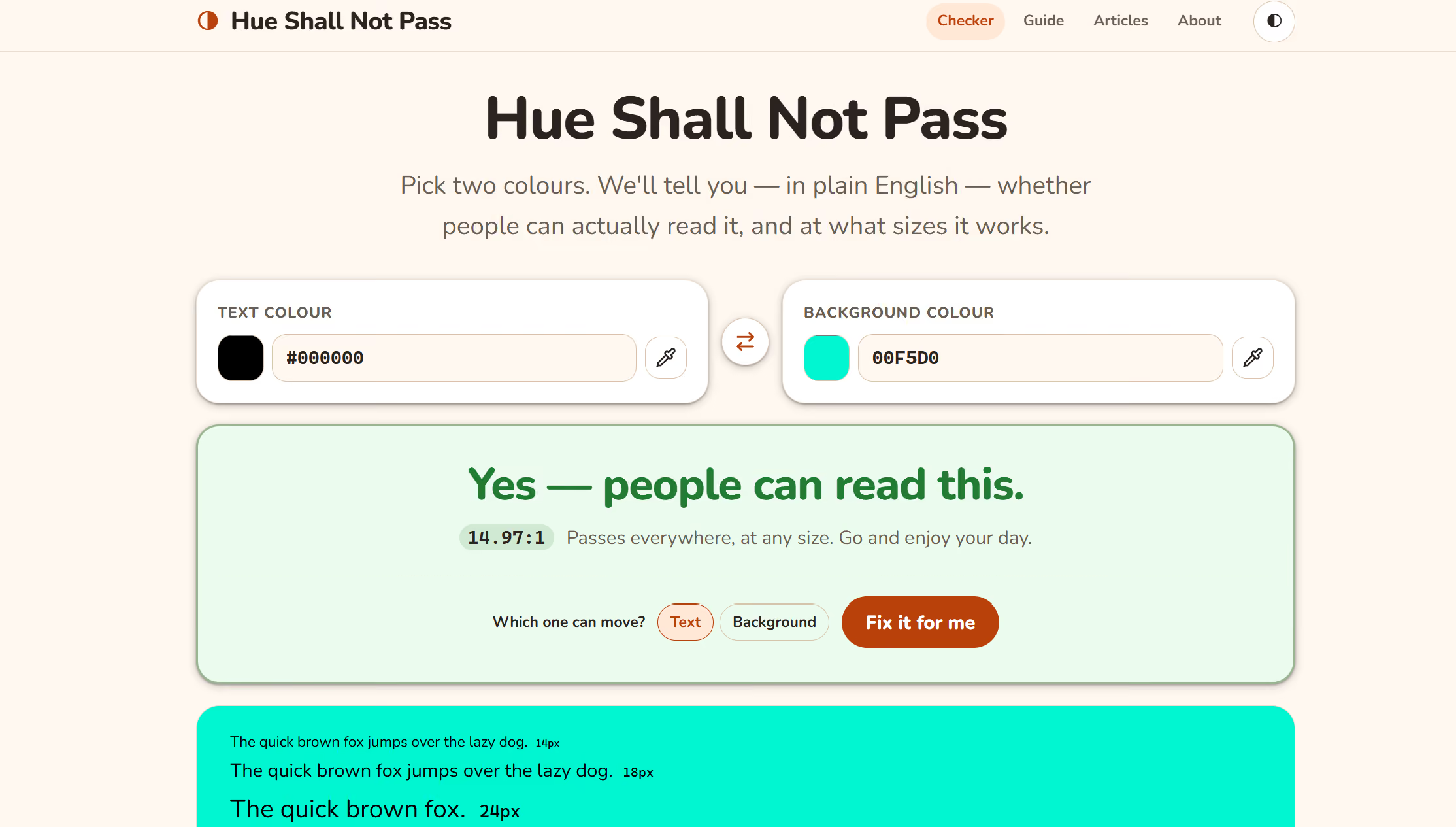
To help non technical people understand this I built a brand-new, dead-simple tool: Hue Shall Not Pass.
Aside from being a spectacular pun and dad joke of the highest order, this micro-tool highlights a massive shift in how software is created today. Here is why colour contrast is the ultimate web gatekeeper, how we built this app in record time using AI agents, and why your business should start replacing expensive external micro-tools with in-house alternatives.
In The Lord of the Rings, Gandalf famously slams his staff down on the bridge of Khazad-dûm and yells, "You shall not pass!" to the fiery Balrog.
In the digital world, low-contrast text does the exact same thing to your users.
[ Bad Contrast ] ===> "YOU SHALL NOT PASS!" (Users bounce)
[ Good Contrast ] ===> "Welcome, friend." (Users convert)
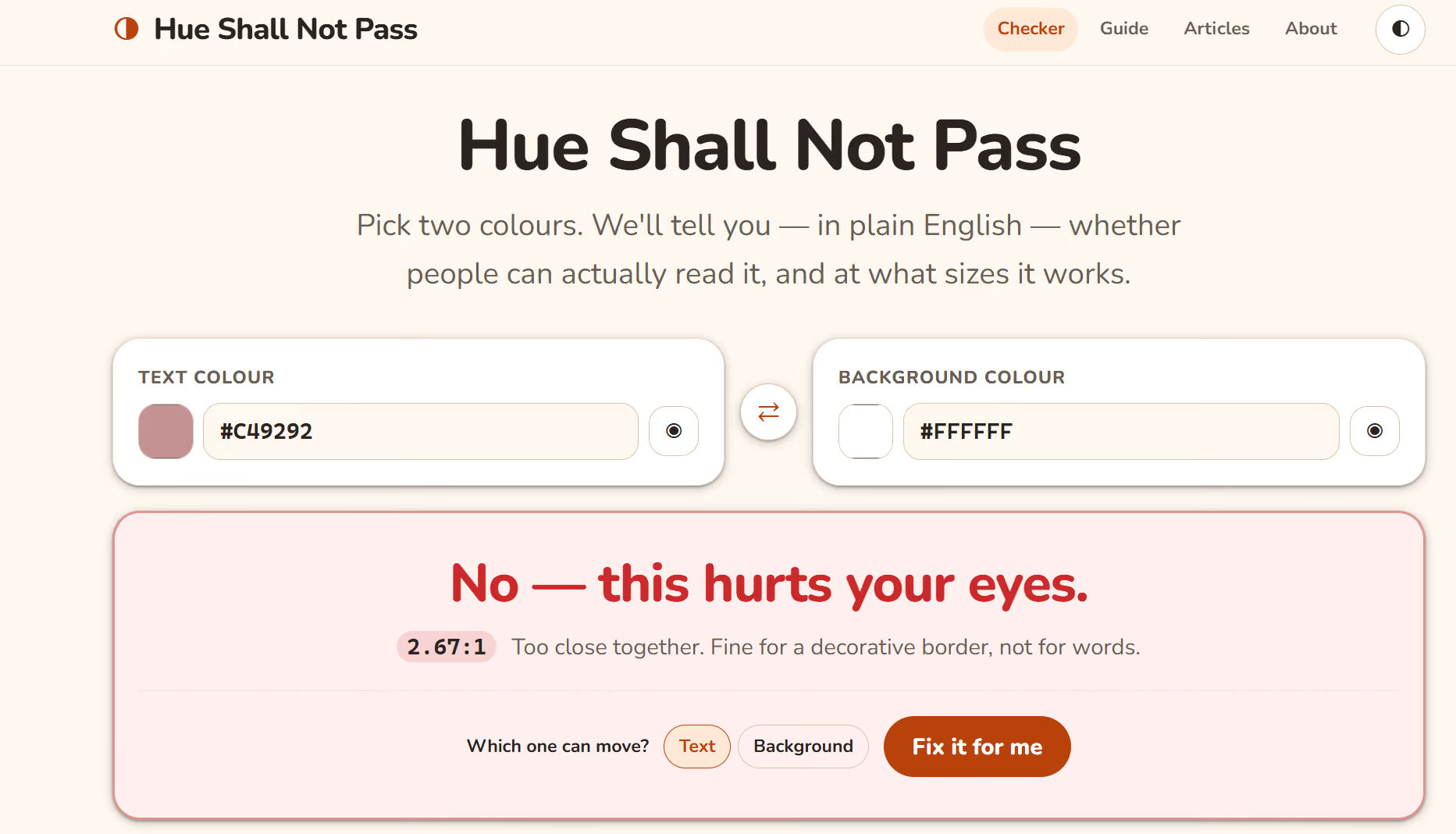
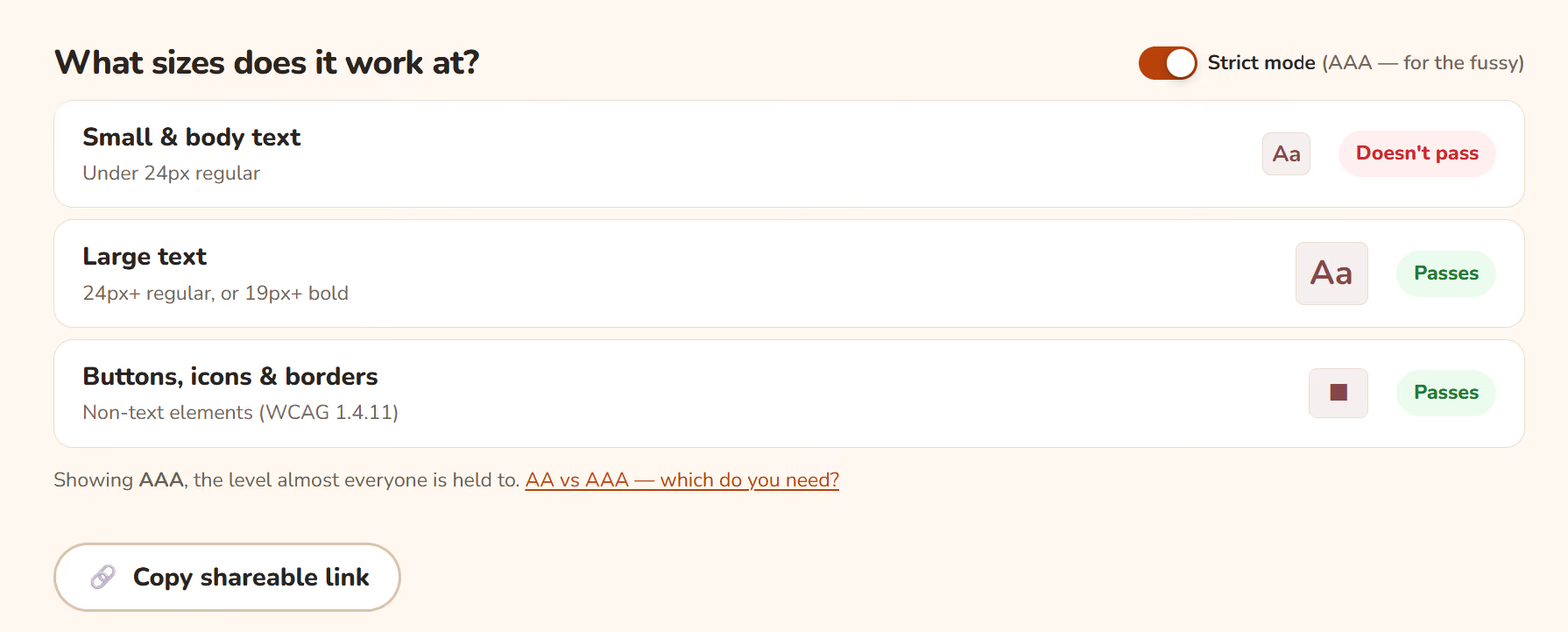
Whether someone is visually impaired, color-blind, viewing their phone screen in direct sunlight, or just tired at 4:00 PM, poor contrast shuts the door on their experience. According to the Web Content Accessibility Guidelines (WCAG), body text needs a contrast ratio of at least 4.5:1 against its background to pass minimum standards.
Hue Shall Not Pass was built to be the ultimate gatekeeper. You put in your colours, and if they don't meet the standards, the tool stands firm. If they do, you get the green light to move forward.
A couple of years ago, building, styling, testing, and deploying a web utility like this would have taken a developer a weekend of fiddling with React state, calculating math formulas for color luminance, and writing custom CSS.
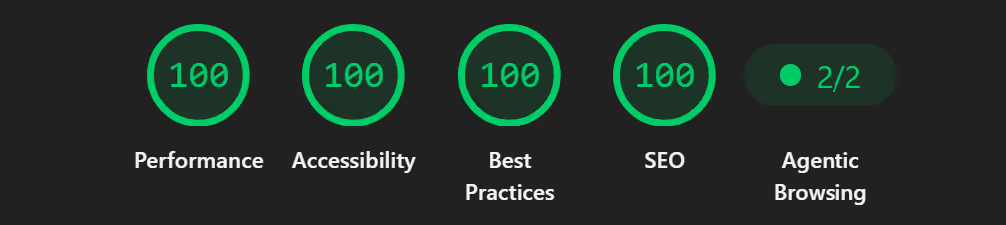
For Hue Shall Not Pass, the heavy lifting was done in minutes using agentic development. In fact choosing the name and buying the domain took as long as the tool took to create.
Rather than writing code line-by-line, we used autonomous AI coding assistants. We didn't just ask for a static snippet of code; we worked alongside an AI agent that:
In 2026, software creation is less about manual syntax and more about curation and intent. You provide the vision, the brand, and the logic; the AI agent handles the execution. At least it handles most of it, and its getting better day by day.
This brings us to a major strategic takeaway for your business.
How many small, specific tools does your team pay a monthly subscription for? Maybe it is a PDF utility, a color palette generator, a markdown formatter, or a simple internal data calculator. Individually, these "micro-SaaS" tools cost $10 to $30 a month per user. Collectively, they quietly bleed your bottom line. I woodwork as a hobby, and I built myself a cut-list optimiser to plan how best to use sheets of plywood. It took 30 minutes to make and has saved me money already; both against the cost of on the market software and in plywood costs. ;-)
Because agentic AI has made building utility apps incredibly fast and cheap, you can now build these tools in-house.
The New Rules of Build vs. Buy:
If your team relies on a generic, public utility tool that charges a monthly fee, consider building a bespoke version. You can customize it exactly to your workflow, host it for free or pennies on Vercel, and own the intellectual property outright.
Whether you want to ensure your next marketing landing page is fully WCAG-compliant, or you just want to see what a modern, AI-built micro-app looks like, head over to hueshallnotpass.com and test your colour combinations.
Keep your contrast high, keep your users happy, and remember: don't let bad design pass.
Get Your Instant Estimate
Find out your project cost in under 60 seconds.